Showing posts with label Sonoma Coast. Show all posts

Saturday, April 11, 2026

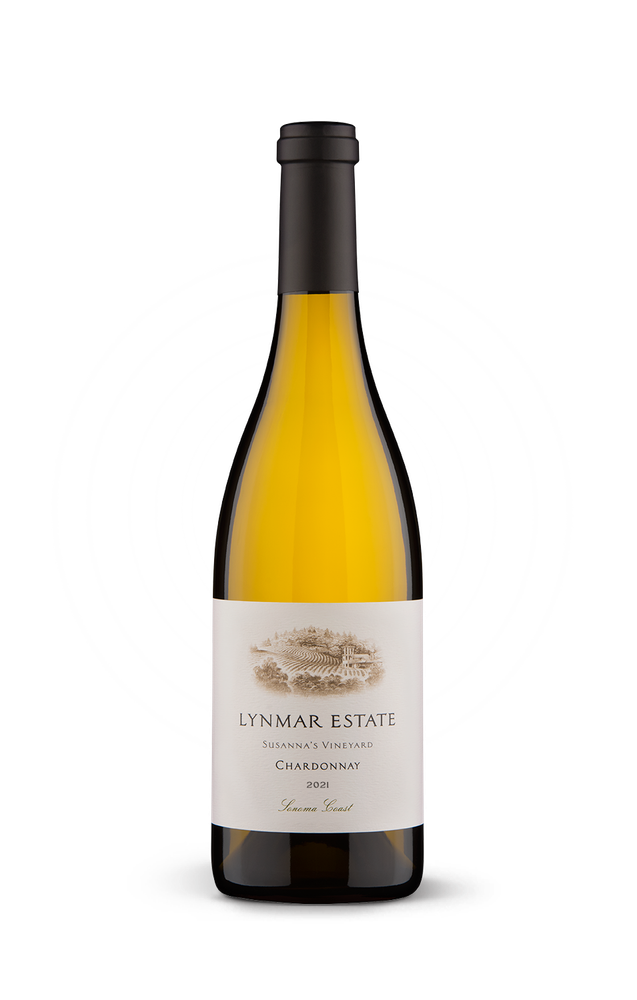
Lynmar Estate 2022 Susanna's Vineyard Chardonnay Sonoma Coast ($71)


Susanna's Vineyard Chardonnay, 2021I think Lynmar's forte has long been its Chardonnays, and this is one of the top single vineyard offerings. It comes from a vineyard named for proprietor Anisya's grandmother that is planted to the Wente clone and is sustainably farmed. The wine has very round texture and a spicy, savory character that reminds me a little bit of Sangiacomo Vineyard. It also has a bit of toast, quince, and orange zest. I'm left wanting a bit more citrus character, but this is a terrific wine that was delicious with roast chicken. (92 Points)

- Tim Teichgraeber 

Monday, January 19, 2026

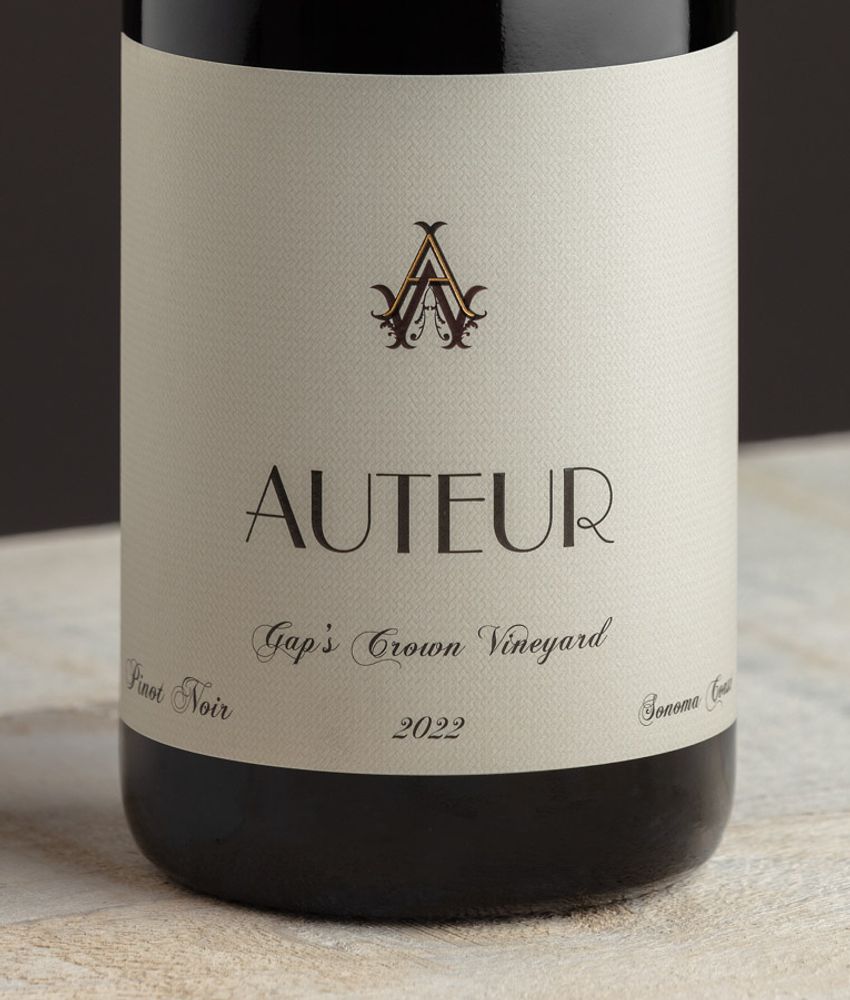
Auteur 2022 Gap's Crown Vineyard Pinot Noir Sonoma Coast ($85)


2022 Gap's Crown Pinot Noir 

This wine comes from a fairly notorious (in the best sense) vineyard on the gently-sloped, rocky western slope of Sonoma Mountain in the Petaluma Gap, a cool area that experiences a vigorous interplay between the cold Pacific ocean and warmer inland climes. And damn, this wine delivers the goods. It's bold and concentrated, but still has some finesse. There's a bit of lavender on the nose, cherry and raspberry fruit, and notes of cinnamon, mineral, and a subtle savory, saline note that really adds some depth. A powerful wine with extraordinary balance, this is super impressive. Made by Kenneth Juhasz, only 218 cases produced. (96 Points) 

- Tim Teichgraeber 

Sunday, November 23, 2025

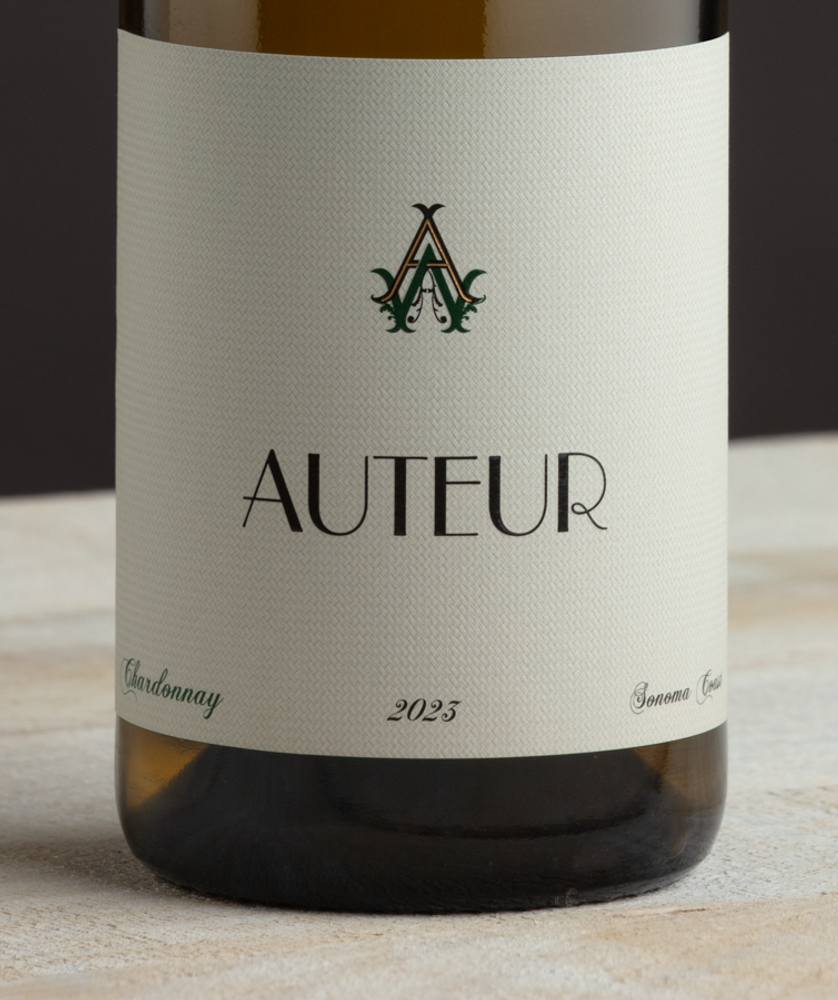
Auteur 2023 Sonoma Coast Chardonnay ($50)


 2023 Sonoma Coast Chardonnay

This gorgeous Chardonnay finds a perfect balance between tense, flinty Burgundy and fresh, citrusy California fruit. It has beguiling lime leaf, flint, white peach, orange zest, and apricot notes from nose to palate, brilliant acidity, and a crazy long finish. I cannot poke a hole in this wine, it is absolutely delicious. Kenneth Juhasz knows how to make Chardonnay. (98 Points)

Saturday, September 28, 2024

Interview and tasting with Bibiana González Rave, Winemaker for Cattleya, Alma de Cattleya and Shared Notes

On September 17, 2004 I did an interview and tasting with Bibiana, a winemaker that has been on my radar for several years because she makes truly outstanding wines. 

We were supposed to meet up in 2020, and if your 2020 was anything like mine, you won't be surprised to hear that things didn't exactly work out as planned. It was nice to finally meet her, if only via Zoom this year (video below). She's a genuinely interesting person and a winemaker, so I hope you watch some of the video. This is my first video interview for this blog so this one started a bit late and it's a little sloppy, but I will try to improve these video interviews and video editing skills...

We tasted a handful of wines that she makes in very small quantities under the Cattleya and Shared Notes brands (most of these wines are 100 to 150 cases per wine). These are pretty expensive wines, but they are so good that they do have an overseas audience. We discuss this in the Zoom interview (link below).

Bibiana also makes some very affordable wines under the Alma de Cattleya label that are produced in a bit larger quantities that sell for $25 to $30 a bottle. They are well worth seeking out if you are an American consumer. They are fresh, direct, and beautifully-made Pinot Noir, Chardonnay, Sauvignon Blanc, and Rosé wines that over-deliver for the money.

She has worked at a calvacade of outstanding wineries. Her first internship was at Haut Brion in Bordeaux. She worked at Ogier in Côte Rotie, did time in Burgundy, Peay and Lynmar in Sonoma. That's a sick CV, and her experience shows in every wine that she makes. They are technically excellent, terroir-driven wines with great acidity and balance that reflects her knowledge of what great wines should taste like.

The Shared Notes wines are made in partnership with her husband Jeff Pisoni, himself a second-generation winemaker from the Central Coast Santa Lucia Highlands. The Shared Notes 2023 Sauvignon Blanc is a good argument for two heads are better than one rather than there are too many cooks in the kitchen. We talked about this a bit as well.

Here are some reviews of recent releases as well as an un-edited recording of most of our interview, including painful footage of me trying to work through a wax capsule on the Shared Notes Sauvignon Blanc.

 Here is most of my Zoom interview with Bibiana, and full reviews of the wines we tasted follow. (Full disclosure, I despise wax capsules.) I hope you will enjoy my interview with one of California's best up-and-coming winemakers!

Also note... as we cut into this conversation, Bibiana is discussing how it's tough for the best California wines to find a place in New York, but they're finding an audience overseas in Japan and the UK. 

WATCH THE CONVERSATION HERE:

https://youtu.be/8nyUfsCOct8

Shared Notes 2023 Les Pierres Qui Décident Russian River Valley ($90) A brilliant example of contemporary California Sauvignon Blanc with honeydew melon, gooseberry, grapefruit, and lemongrass notes. It is unfiltered, unfined, and mouth-filling, but racy and mouth-watering with a pH of a bit over 3.0. Killer. Only 99 cases produced. (95 Points)

1.5 L Bottle 2021 Shared Notes Vintage

Cattleya 2022 The Temptress Chardonnay Russian River Valley ($75) Tempting indeed. Like the best Contemporary California Chardonnay, this is luscious, decadent, and also focused and grounded. It shows a good bit of fine french oak in the decadent hazenut and caramel notes that hit you right away. Then you get orange, apricot, and lemon curd flavors that carry through the nutty finish. This is a very California wine, and not nearly reductive and Burgundian in technique as, say, a Chardonnay from Ramey. It's expressive, cozy, and delicious. 185 cases produced. (94 Points)

 2022 Cattleya The Temptress | Chardonnay

Cattleya 2022 Belly of the Whale Pinot Noir Sonoma Coast ($85) This wine comes from the Sea ___ vineyard, which is at an elevation about 1,300 feet overlooking the Pacific near Petaluma in Sonoma County. These kind of sites are above the fog-line, and constitute a unique, exciting terroir that extends all the way up to Mendocino County. Because these elevated sites are usually pretty rocky, you usually get some nervy wines from them. I wouldn't describe this wine that way. This one is supple and plush, with black cherry, black tea, plum flavors and some mild conifer aromas. After re-visiting this wine later in the day, I appreciate its umami notes, but I find myself wondering whether it could have been picked a little earlier. It's really good, but drink sooner rather than later. 115 cases produced. (92 Points)

2022 Cattleya Belly of the Whale | Pinot Noir

Cattleya 2022 The Goddess Pinot Noir Sonoma Coast ($125)  This is a spectacular wine because it separates itself from comparatively boring alternatives like a firework display. The flavor profile of this wine is all over the map. It has wild berry brambly notes, hints of pepper, pennyroyal herb, red cherry, and blackberry. If there were a mineral bit in the mouth of this bucking bronco of a wine, it might be one of the best wines I've ever had, but it's a little tame on the finish. This is a roller-coaster that you want to ride. 120 cases produced. (96 Points)

 2022 Cattleya The Goddess | Pinot Noir


Cattleya 2022 The Initiation Syrah Santa Lucia Highlands ($70)  Bibiana did some time working in Cote Rotie in the northern Rhone, so she knows what Syrah is supposed to taste like. This wine is in that pocket, smoky, sultry, deep, and savory. It is also a very California wine at the end of the day, and it does have a bit of a syrupy finish. I experience notes of brown sugar, a hint of bacon, rasbperry, blackberry, menthol, and wood. It's rich, savory, long, and lavish. 99 cases produced. (92 Points) 

2022 Cattleya The Initiation | Syrah

Shared Notes 2022  Les Leçons des Maîtres ($75) Bordeaux-inspired blend of 75% Sauvignon Blanc and 25% Semillon that hits all the bases. Brisk acidity and good body, with zesty lime, grapefruit notes fading into fuller honeydew melon and subtle honey notes, all within an compact frame netting out at just around 13% alcohol. There's little obvious new oak, and the wine really sings. 195 cases produced. (94)


Sunday, June 16, 2024

MacRostie 2021 The Key Sonoma Coast

 This small production Chardonnay ships mainly to MacRostie wine club members. It zigs and zags between rich vanilla, butter, and toast notes and zesty lemon drop and nectarine flavors. It's a very complex wine blended from some nice vineyard sources, but it does want for a little more acidity. It's plush on the palate, but it doesn't leave your mouth watering. Definitely recommended for fans of rich California Chardonnay. (91 Points)

- Tim Teichgraeber

Thursday, April 4, 2024

Inside California's Most Luxurious Pinot Noir Producer


It’s hard to believe that Kosta Browne, which is perhaps at this point California’s most esteemed Pinot Noir producer, was only founded as recently as 1997 by Dan Kosta and Michael Browne.

Dan Kosta and Michael Browne, the latter a sommelier, working at the same restaurant, pooled their tips to make a single barrel of wine in 1997.

The brand’s trajectory over the following decades was truly extraordinary, fueled by a combination of some bombastic and delicious wines, terrific winemaking, and skilled marketing that had not been seen to date in the California Pinot Noir sphere.

It was a time when California Pinot Noir was certainly reaching new heights of quality in numerous regions, and was riding a serious optimistic trend. Kosta Browne didn’t grow its own grapes, but the wines were commanding some of the highest prices ever seen for California Pinot Noir.

In 2009, the brand sold for about $40 million dollars, despite having no vineyards and not even its own winery. It was selling almost all of it’s 11,000 case production direct to a consumer mailing list.

Numerous investors injected much more money into the hot brand between 2009 and 2015, allowing Kosta Browne to acquire some vineyards of its own, and build a winemaking facility at The Barlow in Sebastapol. The brand was eventually acquired by a premiere luxury wine company, The Duckhorn Portfolio, in 2018, which gave it another infusion of money enabling Kosta Browne to not only expand vineyard holdings, but to extend its Pinot Noir production to Oregon and Burgundy.

About Julien Howsepian, Winemaker:

Amid all of this churn, check-cashing, and mission evolution, an unpretentious intern named Julien Howsepian, a Bay Area native of Orinda California, slowly worked his way up the winemaking ladder from starting as a harvest intern in 2012.

By 2019 Howsepian was named head winemaker, and his influence has absolutely shaped the profile of Kosta Browne wines  as the brand settled into an industrial warehouse in a hipster food-and-wine incubator called The Barlow in Sebastapol, Sonoma County, with every aspect of the Kosta-Browne production facility custom-tooled for the production of superb Pinot Noir. 

Julien meets me at the door with the first vintage of KB bubbly made in-house. It was damn good.


An East Bay kid who grew up tailgating at A’s and Raider’s games, Julien has a French father and a Dutch Mother, and as a child he often visited relatives in France, including some relatives in the wine business.

Julien is laid-back and easy to like. Usually sporting a baseball cap, he is calm, not particularly dramatic, and he does not do a lot of name-dropping or score-referencing. He does not brag about his connections, ratings, or other places he has worked. He just stands by what he produces and doesn’t tend to gild the lily, all of which which I greatly appreciate for a winemaker of his stature.

Today’s Kosta Browne wines are no longer outsized. They are refined, elegant, generally showing very subtle oak. The wines voice their place quite clearly, transparently even. They are technically flawless, and impeccably made.

Sure, there’s an ebb and flow from vintage to vintage, but you’d be hard pressed to point out a glaring absence in anything that Julien makes. The quality control is superb, and he’s quick to credit his whole production team on that front.

I believe Howsepian has been instrumental in steering this brand’s rather exclusive and very seasoned customer base toward a more erudite style of Pinot Noir than they were probably accustomed to 20 years ago, when Kosta Browne was spawned. But then I have to consider the fact that folks who can afford Kosta Browne's wines can also probably afford extremely fine Pinot Noir from Burgundy, so they're probably a more worldly sort than your average California wine aficionado, or me, for that matter.

I met with Kosta Browne winemaker Julien Howsepian in March of 2024 to taste some 2021 and 2022 new releases at Kosta Browne’s immaculate winemaking facility at The Barlow in Sebastopol. He greeted me at the front door with a glass of KB’s new bubbly made in-house (makes a nice impression!), and we took it from there.

Kosta Browne makes about 34 different wines (or SKUs as known in the trade) per year, and we tasted about half of them. Most are Pinot Noir, but Kosta Browne also makes a handful of superb Chardonnays, which should not be missed. Some of the more recent bottlings added to the portfolio include Pinot Noirs from Santa Lucia Highlands (Monterey County), added in 2005, and more recent adds like vineyards in Willamette Valley, Santa Rita Hills (Santa Barbara County), and few communes in Burgundy, France. 

A list of the wines we tasted.


Vintage 2022:

Julien says 2022 was a lot like 2017, with a heat wave toward the end, and a compressed harvest, with lots of overlap between areas. “Usually Russian River Valley is picked first, and Anderson Valley is last for harvest. We were done in California just before the Oregon harvest started. In 2022 the wines turned out really well. Having good vineyards makes the vintage.”

The Wines:

Kosta Browne 2022 Russian River Valley Pinot Noir ($120). Young, but complicated with violet, chewable grape vitamin, some baby fat. Framboise, sweet, ripe cherry, not too heavy or sweet. Super refined, sophisticated, with mild herb notes. 20% fermented in oak, small percentage of whole cluster. Not intended to make a stemmy wine, but just to add a little texture. Picked all before the heat wave. (94 Points)

Julien says, “I think RRV might be the pearl, the finest region for Pinot Noir and Chardonnay.”

Kosta Browne 2022 Sonoma Coast Pinot Noir ($120) Gap’s Crown vineyard is the base source of this wine. 38 acres owned by Kosta Browne, and this is the brand’s flagship single vineyard wine, the rest of the fruit comes from Sonoma Coast. Blueberry, nectarine, and cinnamon notes. It's a very dynamic wine, with a touch of cocoa. “We’re the only producer that gets fruit from the very top of the site,” says Howsepian. Gap’s Crown was planted by Bill Price (Three Sticks) in ’05, and 08, Kosta Browne purchased a long-term lease in 2013. (95 Points)


What we tasted today, about half of the total wines annually produced by Kosta Browne.

Fermentation and maturation vessels used at Kosta Browne:

Howsepian uses a variety of fermentation and maturation vessels at Kosta Browne. There are a lot of small, ultra high-quality oak fermenters with limited temperature control, precisely controlled stainless steel fermenters, and small concrete egg-shaped fermenters that have a more complicated, self-contained temperature control. Each plays an important role in the winery. Temperature control during the fermentation process can influence the ultimate flavor and character of the finished wine because the temperature governs all of the chemical reactions that take place during the fermentation process. Fermentation is a feverish reaction that raises temperature in the fermenting grape must. Keeping the fermentation temperature even and moderated can preserve freshness in wine.

“The woodies (the wood fermenters) are like exercising with a hoodie on, it starts to get hot. We take the lids off and a lot of heat escapes. Stainless steel is like exercising in shorts and a tank top. Concrete fermenters are like swimming in a pool. Much more gentle, with a long temperature curve.” 

The "woodies," small, open-top oak fermenters.


Kosta Browne 2022 Santa Rita Hills, Santa Barbara County Pinot Noir ($120) KB’s first Santa Rita Hills bottling from Santa Barbara County started in 2016 and is now comprised of an assemblage of fruit from Mt. Carmel, Rita’s Crown, Bedrock, Radion, Sebastiano, La Rinconada, and Sanford & Benedict vineyards. (all cream of the crop). “It has a plush texture, decent acid, is layered, and deep. They have early budbreak, and usually pick pretty late. The Rita’s crown grapes get super black, but with great acid. It’s probably a ripe, polarizing wine, coming from mostly hillside, steep terroir. The wine shows some serious power and ripeness,” says Howsepian. This is a big, delicious Pinot, with deep color and concentration, plenty of black fruit and density, but it does have some brightness. This will definitely appeal to those that like a richer, fleshier style of Pinot Noir and it is exceptionally well-made and seamless.  (94 Points)

Vintage 2021:

“I think 21 is one of the best vintages in my career. It was the welcome sigh of relief at the time. Everything happened the way it was supposed to.”

Kosta Browne 2021 Gap’s Crown Pinot Noir Russian River Valley, CA ($175) “I do consider this to be our flagship single vineyard bottling. I think this is such an incredible wine every year, super consistent blue fruit, generous, easy drinking. We play around with the fruit because we have a lot of it,” says Howsepian. Blueberry, violet aromas up front with a hint of toast, and supple blackberry, and red cherry on the palate. It has a great range of flavor., very dynamic, with very good acid. I think this is an exceptional vintage for this wine. (97 Points)

Kosta Browne 2021 Bootlegger’s Hill Estate Series Russian River Valley, CA  ($210) “This vineyard was planted and is farmed by Charlie Chenoweth. It’s between here (Sebastopol) and Occidental, relatively cool, on a knoll with 360-degree visual exposure, and it’s somewhat foggy and cool. When the temperature is soft and gentle, you get a soft fruit spectrum. It’s a little like a candy store for winemakers, lots of clones and rootstocks. It’s fermented in concrete and oak, it's velvety and bright at the same time… It’s like a sundress, it just waves in the breeze.” says Howsepian. This is a late ripening Russian River Valley site because of the coolness, and it picks more in line with Sonoma Coast vineyards. This vintage sees 56% new oak, but you wouldn’t know it just by tasting it. The well-seasoned oak definitely takes a backseat to the silky dark red fruit in this medium-bodied, subtle, plush, complex Pinot. This is pure Russian River Pinot Noir with every edge polished perfectly. (96 Points)

2021 Kosta Brown Cerise Vineyard Pinot Noir Anderson Valley, CA ($210) “I think this is a wine that’ll make you think, maybe it’s not for everyone,” says Julien. It’s definitely for me, for whatever that's worth. It hails from different pitches, swales, steep hillside and windy sites. Initial hint of pennyroyal herb, hint of conifer, blueberry, violet, lively, great structure. Built to last. Definitely has a bit of tannin, great acid. Love it. Aged 18 months. It leaves my mouth watering. A stellar wine, this just wants a bit of food with protein to soften the tannins in this youthful phase. (98 Points)

The Expansion of Kosta Browne:

“Before 2016, we were Sonoma Coast plus Santa Lucia Highlands. That’s still our identity, but maybe we weren’t including SLH as much in the story. The new GM said, "Why should we be constrained and just become a CA producer?" Then some other doors opened and the boundaries were re-evaluated. We gave Burgundy a shot, and then Willamette Valley.”

2021 Shea Vineyard Pinot Noir, Willamette Valley, OR ($175) A lovely wine from the legendary Shea vineyard. Interesting, a bit leaner than the California offerings, just as you might expect from an Oregon wine, also a little velvety, pleasantly fuzzy and smooth on the palate, with lots of juicy red fruit, good acid, and tremendous finesse. (93 Points)

Making wine in many different areas is challenging:

“Managing a lot of sources is tough, but we have an awesome team. Peter Virtue has been on my team since 2014. He started as an intern in ’11, and we’ve worked together 10 years. He’s my right hand man. He focuses on what’s happening here in the winery. We do WV and Burgundy, but that’s less than 20% of our production. A lot of our team has been here since these new projects started, and everyone takes pride in their work. We have a super professional staff.”

“I go to up to Willamette Valley during harvest, and the vintages don’t overlap (with California) that much. Portland is so easy to get to from Santa Rosa. I can go for one night if I want to. It takes longer to go to Santa Lucia Highlands (driving). We make the wine in Oregon so that it can be legally labeled Willamette Valley wine.” 

On making wine in Burgundy:

“Once you source quality fruit and a find a good winemaking partner, it works well. They actually enjoy following our protocols. We’re not doing anything crazy. They appreciate knowing what appeals to American consumers.“

A quick overview of the tasting.


2021 Pommard Pinot Noir Burgundy, FR ($130) “There was a lot of frost damage in April, especially in the  Côte de Beaune with the whites. It was a wet, rainy spring. Coming out of some very warm vintages, this is a more typical vintage. Red fruit, cherry, raspberry, pinch of cayenne pepper or red bell pepper, bit of tannin,” says Julien. Yep, this one is a little tannic, as Julien says, with some bright red fruit and a pronounced limestone character that lends it a strong sense of place. It clearly shows some pedigree and a sense of place. “I waver on how long to recommend when to drink it,” says Julien. (93 Points)

2021 Beaune Premier Cru Burgundy, FR ($130) Complex, deep, and structured, with plush red cherry, raspberry, and limestone aromas and flavors with a spicy finish.  “We use a fair amount of whole cluster fruit in the fermentation to build structure to bolster the plushness,” says Julien. (96 Points)

2022 One Sixteen Chardonnay Russian River Valley Sonoma Coast, CA ($90)   Some legendary Sonoma vineyards go into this wine, like Zio Tony, Ritchie, and Charles Ranch (Sonoma Coast). “We tread it, break it and go for a lot of solids into the juice, anti-oxidative strategy, then get oxygen into the wine,” says Howsepian. This wine is a bombshell. It has just a hint of flinty, reductive character, plus expressive lemon curd, tangerine, and kaffir lime leaf notes. It just goes and goes. Brilliant fruit from stellar vineyards made in a glowing, sunny, bright California style. (98 Points)

2021 El Diablo Vineyard Chardonnay Russian River Valley, CA ($175) This is always a first or second pick of the year near Windsor. It has lemon, peach, and toast notes with a hint of salinity. “Russian River Valley Chardonnay can get very fruity and floral, and we’re not looking for that,” says Howsepian. A terrific wine, but the oak stands out a bit right now, in my humble opinion, but that may blend in over the next year. (93 Points)

2021 Bootlegger’s Hill Vineyard Russian River Valley, CA ($170) A very complex, flinty, Chardonnay that's  aged 8 months in barrel on the lees, then 8 months in stainless steel to let it settle out. I has flint, hazelnut, white peach, clover, white pepper, and green apple notes, and I suspect it will develop really well over the next few years. (95 Points)

Sunday, February 25, 2024

Review: Duckhorn Decoy Limited 2022 Sonoma Coast Pinot Noir ($30)

The price difference between the regular Decoy offerings (which are not shabby at all) and the Decoy "Limited" series is often only about five dollars. Most of the Decoy base offerings have a suggested list price of $25 versus the $30 price tag of the Decoy Limited or blue label wines.

That seems like a rather fine parse, but I don't run the company. When it comes to sourcing slightly better grapes, sometimes that five dollar difference can reflect a significant upgrade. 

The Limited wines generally come from more confined, more refined AVA's. In this case the Decoy Limited Central Coast Pinot Noir comes from the Sonoma Coast AVA, and absolutely delivers the goods for a Pinot Noir from that zone.It has crisp cranberry, black cherry, and raspberry fruit notes, hints of conifer, dried herbs, and a very luxurious mouthfeel, with a long, supple finish. The balance of focus and plushness is impressive. It is a very well-made wine, and you might be able to find it for a little bit cheaper. (92 Points).

Decoy Limited Sonoma Coast Pinot Noir 2022  Front Bottle Shot


Monday, August 1, 2022

Review: 2019 Kosta Browne Sonoma Coast Pinot Noir ($115)

There's definitely some coastal fruit at play in this expensive but entry-level Kosta Browne entry. There are savory herb notes present, good acidity, blackberry, cranberry and black cherry fruit over loamy, earthy, umami notes. It's very well-made and complex, and it has enough structure to hold up well for another 7 or 8 years. (93 Points)
- Tim Teichgraeber

Monday, June 20, 2022

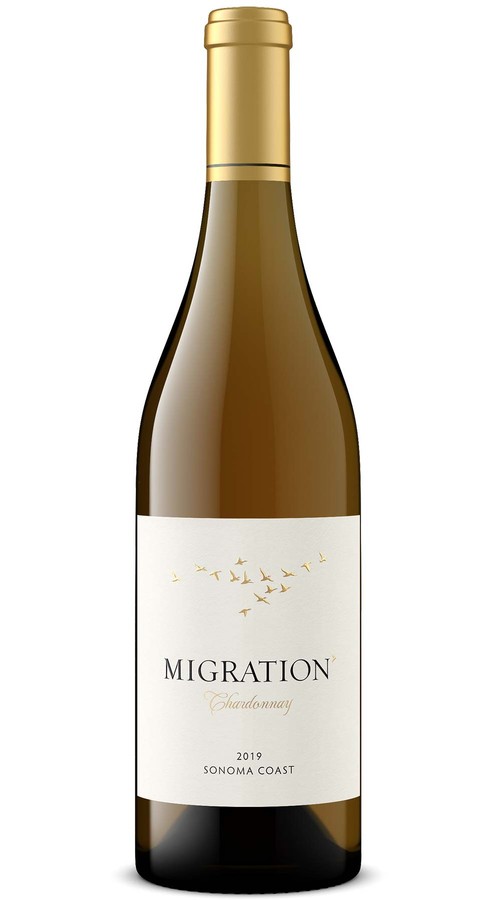
Review: Migration 2020 Chardonnay Sonoma Coast Chardonnay ($42)

This Duckhorn-owned brand has excelled at producing cool, coastal wines for quite a while, generally focused on Chardonnay and Pinot Noir, and a little bit loose on detailed information about specific sources. That said, this lovely Chardonnay is everything lovely about deep west coast Chardonnay, it's fresh, lemony, with a bit of white peach, thyme, and all that is Chardonnay, lavish and silky on the palate, but without all of that oaky luggage. This is the future of California Chardonnay, and it's luscious, but not oaky, fresh, focused, and concentrated. (93 Points)

2019 Migration Sonoma Coast Chardonnay

-Tim Teichgraeber

Thursday, February 18, 2021

Review: Emeritus 2017 Pinot Hill West Pinot Noir Sonoma Coast ($75)


 Emeritus Vineyards is truly one of the rising stars of the Russian River Valley and Sonoma Coast, and the wines do carry accordingly hefty price tags. Most all of their wines are dry-farmed (farmed with no irrigation), which means the vines have to dig deep for water. It also means that crop yields are very low compared to irrigated vines. The deep-rooted vines deliver smaller berries with a bit more minerality than you might get from irrigated vines. Emeritus' wines tend to have a lot of concentration and structure as well as good natural acidity, and this one is no exception. It is keenly focused, sturdy, and tangy with intense black and red currant fruit, hints of smoke and vanilla, cardamom and wild strawberry notes. It's an impressive wine that should have a reasonably long life ahead of it. (93 Points)

- Tim Teichgraeber

Friday, October 16, 2020

Tongue Dancer Reviews: 2017 Sonoma Coast Pinot Noir

 Tongue Dancer 2017 Sonoma Coast Pinot Noir ($49) What a pretty, lithe, fresh wine! On the nose there are notes of cinnamon, thyme, and red fruit. It's silky and fresh on the palate, not shy on flavor, with red currant, cherry, blueberry, coriander and white pepper spice. The oak is beautifully integrated, and it's very drinkable right now. It should be great over the next 5-7 years. Only 328 cases produced. (93 Points)


- Tim Teichgraeber


Thursday, September 10, 2020

New Releases from MacRostie Reviewed

MacRostie has emerged as one of the real stars of the Sonoma Coast in the last decade, producing elegant, bright, and flavorful Pinot Noir and Chardonnay that still seems to be improving year over year. Founder Steve MacRostie deserves plenty of credit - he's always done a great job of managing his winery - but hiring winemaker Heidi Bridenhagen was certainly one of his greatest coups, because under her watch the wines have evolved into a focused, bright, complex style that only a few dozen labels (Peay and Drew come to mind) have mastered.  MacRostie also switched from corks to screwcap closures some years ago, a move that has clearly added freshness and reliability to the wines.


MacRostie 2017 Sonoma Coast Pinot Noir ($34) This translucent red has bright violet, cherry and raspberry aromas with hints of oolong tea and anise. It's silky and lithe on the palate, juicy and sprightly like a Burgundy, but where a Burgundy would have a bit more earthiness, this Pinot is all sunny cool-climate California fruit finishing with just a hint of toast and caramel. This is a hard wine to put down. You could age it for a few years, but why bother. It's ready now. (94 Points)


MacRostie 2018 Sonoma Coast Chardonnay ($25) In the last 6 or 7 years, this Sonoma Coast Chardonnay has emerged as a consistent personal favorite of mine, and at $25 a bottle, it's one of the best values in California Chardonnay. What's so great about this wine is how it balances a sleek, bright winemaking style with the sunny intensity of California fruit. It opens with luscious pineapple and lemon curd flavors and finishes bright and tangy with just a hint of French oak. (93 Points)

- Tim Teichgraeber

Thursday, June 25, 2020

New Releases from Anaba - Sonoma County / Carneros


Anaba is a relatively young winery, but it's developing a reputation for being one of the rising stars of Carneros, mostly known for Pinot Noir and Chardonnay. Founded by IBM veteran John Sweazy in 2005, Anaba also makes some Rhone-inspired wines and Petite Sirah in small batches. The winery and tasting room are located right at the intersection of Highways 121 and 116, so if you're heading up to Napa Valley from San Francisco, you WILL be driving right past it. The name comes from the Anabatic winds that flow through Carneros.

I was recently sent a couple of new releases and very much enjoyed getting better acquainted with the label. The wines are made by the accomplished duo of Katy Wilson and Ross Cobb. 


Anaba 2019 Rose of Grenache Sonoma County ($30) Grenache makes some of the best rose in the world and is definitely one of the more favored varieties for making pink wine. Anaba's take on it comes out tawny orange-pink in color with apricot, strawberry, rose, and guava notes with nice acidity, a great mouthfeel, and a long finish. It's a little price for a commercial rose release, and I suspect it's mostly sold through the Carneros tasting room, but it's quite nice. (88 Points)

Anaba 2017 J McK Estate Vineyard Chardonnay Carneros ($46) This home estate vineyard is named for founder John Sweazy's children, John Michael (now general manager of the estate) and daughter McKenna, and the vineyard makes lovely Chardonnay with the supple texture, orange and lemon notes that you expect from Carneros Chardonnay, plus well integrated caramel and vanilla notes. It's velvety on the palate, expressive and flavorful. (92 Points)
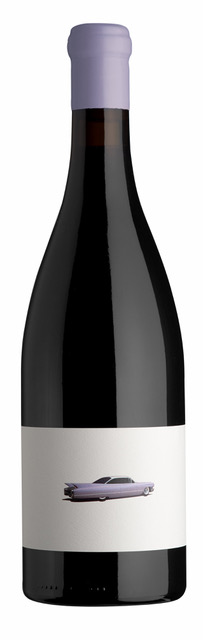
Anaba 2017 Pinot Noir Sonoma Coast ($48) Culled from 5 non-estate vineyards on the Sonoma Coast, this is a lovely, velvety Pinot with lush plum, black cherry and spice flavors and a deep, savory earthiness with soy notes. It's ripe and plush, but not overly high in alcohol. I don't think this is a wine that I would hold onto for a long time, but it's very rewarding at present (Summer of 2020). Recommended. (92 Points)

-Tim Teichgraeber


Friday, March 13, 2020

Review: Tongue Dancer 2017 'Pinot de Ville' Pinot Noir Putnam Vineyard Sonoma Coast ($65)

Let me just start out by saying this is a really interesting, dynamic wine. It comes from the Sonoma Coast AVA, which is quite a broad AVA. Parts of that AVA are super-cool, parts are a good bit warmer. The Putnam Vineyard in particular is located near Annapolis, which is only a few miles from the Pacific Coast. One expects Pinot Noir from this area to be a bit wiry and lighter in color. When you pour this wine into the glass, it's surprisingly dark, probably because of the small cluster Dijon clone grapes (clone 777 and 155) that make up most of the blend. These are clones of Pinot Noir that will give a wine intense saturation of color. Then when you taste the wine you really get an impression of the cool climate. It has mostly red fruit flavors: plum, raspberry and wild strawberry come to mind, and there's a decidedly spicy note on the finish, which might well be from some stem inclusion in the fermentation, or which also might be a product of the cool climate. At 14.2% alcohol, it's neither bombastic, nor is it sparse. What it is, is a great example of a complex, pleasure-delivering Pinot Noir from a very cool region. That's a challenging assignment, and I'll give this wine a solid A. (94 Points)

Friday, January 3, 2020

Review: Migration 2017 Sonoma Coast Chardonnay ($40)

Duckhorn's Migration brand is focused on cool climate Pinot Noir and Chardonnay, mostly from Sonoma County and Anderson Valley in Mendocino County. This deep, golden-colored Chardonnay is a great example of some of the brilliant Chardonnay coming from those regions lately. It's lush and opulent with rich lemon curd notes, apricot fruit, and has a spicy kick on the finish. As rich as it is on the palate, it's still very lively and stylish. (93 Points)
 

Monday, November 19, 2018

Tongue Dancer New Releases: and 2016 Russian River Valley Chardonnay


Tongue Dancer 2016 'Pinot de Ville' Pinot Noir Putnam Vineyard Sonoma Coast ($65)
This new release from winemaker James MacPhail is deeply colored and powerful with generous boysenberry and wild strawberry fruit notes accented with hints of vanilla and baking spices. As much as it is a rather powerful Pinot, it also has a good bit of tangy acidity that really lingers on the palate and keeps it lively and fresh. Only 95 cases made. (93 Points)

Tongue Dancer 2016 Chardonnay Bacigalupi Vineyard Russian River Valley ($50) Big, brassy, juicy and just a little bit wild, this full-bodied Chardonnay has savory cardamom, tarragon, lemon and apricot aromas. In the mouth it's expansive and unctuous, but has a nice thread of acid running through the ultra-long finish. Very impressive Chardonnay. (95 Points)
 

 - Tim Teichgraeber

Friday, August 17, 2018

Fort Ross Vineyard - Sonoma Coast

by Tim Teichgraeber

In March I had the great privilege of visiting Fort Ross Vineyard near the Sonoma Coast of Sonoma County, in what is now recognized as the Fort Ross Seaview AVA (American Viticultural Area). This is a relatively new AVA designated for vineyards that are above 1,200 feet and within a certain proximity of the Pacific Ocean.

I have a particular inclination toward these AVA designations that are built around distinctions of both location and altitude. In California the soils tend to be fairly young compared to a lot of wine-growing regions around the world. On the valley floors, the soils tend to be rather rich, and therefore not very well suited for growing great wine grapes. At higher elevations, the growing conditions change in a few regards, and the soils always become leaner and more rocky, yielding smaller crops of more intensely flavored, structured, and flavored grapes. Better grapes that make more interesting and longer-lived wines.

Fort Ross is a remarkably rugged site, and one that is notable for both its altitude and its proximity to the ocean.It's stunning, actually. What is fascinating about this site is that it clearly features the cold water influence of the Pacific Ocean that is constantly washing around out there. The air at Fort Ross is chilly, and the breezes are brisk.But because of its altitude, the vineyards are often basking in the sun, overlooking the reliable marine fog banks that otherwise shrouds the lower-lying coast.

Lester and Linda Schwartz purchased this 1,000 acre, heavily-forested and high-altitude ranch in 1988 and started to plant some of the first parts of the vineyards themselves in 1994. Today they have just 50 acres planted, mostly at elevations around 1,500 feet, on challenging slopes and swales just a couple of miles from the Pacific Ocean not too far from the town of Jenner. The scenery is epic, and so are the wines.

To me, the far west Pacific Coast stretch from Sonoma County up through Mendocino County is one of the most exciting wine regions in California, and perhaps in the entire world. California wines have proven themselves more than worthy on the international stage, but the vast majority of these best California wines are still enjoyed here in the West Coast of the United States. Few of them even make it to New York, maybe only a few bottles to a few fine restaurants. The wines made here defy the stereotype that California wines are clumsy fruitbombs. That is no longer the case.

In the last ten or fifteen years, winegrowers seeking increased elegance and refinement have been creeping into cooler climates near the very cold California Pacific Ocean, where very cool winegrowing conditions and maritime fog layers slow retard the development of grapes and ultimately produce higher acid, less fruity, more savory wines. Some would say that their overall aesthetics are more comparable traditional wines from Burgundy, the inspiration for all classic Pinot Noir and Chardonnay.

These young blood Cali wines are much more elegant than California wines that came before them, but they aren't trying to be wines from Burgundy. They are reflections of their unique growing environment and climate, and they're every bit as special and articulate as the finest Burgundies. I personally think that the best of these wines are positively thrilling. They're completely different from, but on par with great wines from Burgundy, and retailing for $30 to $70, they are comparative bargains, at least in a global sense once you consider their rarity, quality(class) and reliability.

I guess what I'm trying to say is that these new wave California wines are reliably offering an alternative greatness: a new standard, a new measuring stick, especially insofar as wines under $100 per bottle are concerned. And no place that I know of is coming close in that price point, in terms of quality even as much as New Zealand wants to think that it is.

The worst cold-climate California wines can be disappointing, but that's what you get when you're making wines in very challenging conditions. If you've ever bought and drunk wines from Burgundy, the taste of disappointment is deeply etched into your recollection. For some people, not so much me, that's part of the charm.

For me, if I'm paying top dollar, I expect fantastic wine. And I think the cool spots of the North Coast of California is delivering that with pretty good regularity now that the best growers have settled in over the last 20 years. Once you discard the chaff (and there are mediocre wines made in these regions), I think you can easily argue that these elevated coastal regions are now making spectacular wines.

The weather is cloudy, cold and blustery when we arrive at Fort Ross tasting room, having driven out in the morning from Oakland through San Rafael, out to Bodega Bay and then up the spiraling Highway 1 into northern Sonoma County. That stretch of Highway 1 is simultaneously heaven and hell. If you're driving, you can't take your eyes off the road for a split second. If you're a passenger, you can't take your eyes off of the ocean, circling hawks, skunk roadkill, and the vast pastoral dairy farms, and you're probably more likely to get carsick. Even if you're driving, the magic isn't entirely lost on you. It's a wonder that this part of the world has been preserved in such a pristine state, and you have to tip your hat to the preservationists of northern California.


Soon after we arrive, the cold, misty, foggy sky parts and the sun comes out, at least for a little while. Tasting wine at the winery with a few friends who have arrived from Wine.com and other industry fans. The sun parts and now we're all looking for sunscreen while we taste a few wines at the winery and chow down on oven-fired pizza.

At this altitude, the sun is pretty intense. The weather has shifted 180 degrees, and it will do so again in a couple of hours when the spring thaw once again gives way to the cold ocean fog. This happens when we take a tour of the vineyards after lunch in the Fort Ross' WW2-era Pinzgauer all-terrain vehicle. We ride in the back, like infantrymen headed into the shit, except that we're really just a bunch of buzzed winos juggling plastic half-glasses of Pinot Noir, trying not to spill them all over ourselves.

The Pinzgauer seemed like overkill until we routed onto the bumpy dirt roads heading to the vineyards. In parts, the vineyards were super-steep and had to be terraced, so getting from the lower sections of the vineyards to the upper parts would be possible with a 4WD in decent conditions, but in muddy conditions you would need a serious all-terrain vehicle.

I'm only sorry I didn't get a chance to drive the PG. That thing seems like a beast.

You hop out of the military vehicle and survey the situation like a general. There are these very young, vineyards, carved out of hillsides, and cleared out of pristine forests, on high hilltops not far from the coast. The soils are rocky, as you would expect at this elevation, with some limestone as well as some organic matter from what was a pretty richly forested environment. The steepest vineyards are terraced, and as in the case of much of Europe's most prized vineyards, that kind of challenge yields Fort Ross' finest wine. The climate seems right, if edgy, for Pinot Noir and Chardonnay. The soils are unconventional, and the terrain steep, overall an x-factor.

The vineyards shift around on these Pacific slopes, but you feel like you're always looking west, toward the ocean, maybe because that's just the best view. And you can see the Pacific ocean, but more importantly, you can feel it. The ocean is already kicking up a powerful wind again, turning off the sun and reminding us who is boss. After a quick photo session and a couple of gulps of wine, we retreat back to the tasting room for one more glass of red and a few minutes by the fireplace.

I have seen a lot of the finest vineyards that America, Europe, Australia, South America and and the Pacific Coast has to offer first hand. I have always been impressed with the wines from Fort Ross, but after visiting the vineyards, I can surely say that this is a special, extremely challenging site that will continue to produce extraordinary wines in the coming years.

I can't say enough about the people who develop sites like this. They are the true adventurers in America, just like Daniel Boone and Davy Crockett, except that this is California in 2018.

It is possible to be ahead of your time and to pay a big price for it. They say that you can tell a pioneer by the arrows in their back. I don't suppose that the Schwarzes are turning much of a profit on this operation, but the wines speak for themselves, and a great site usually proves to deliver great value over time, and in time this site will be famous. Probably world-famous, at least in wine geek circles. The potential is boundless, and the thing that I have always appreciated about California, and the North Coast of California in particular.It is eternally inspiring.