Showing posts with label Riesling. Show all posts

Sunday, March 15, 2026

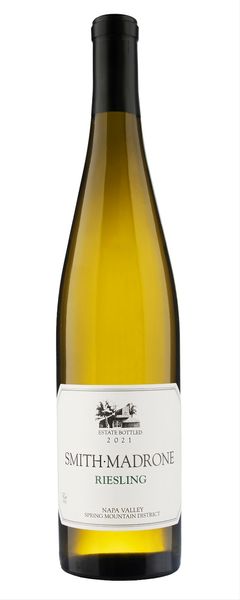
2021 Smith-Madrone Riesling Estate Riesling Spring Mountain Napa Valley ($40)

 2021 Estate RieslingSome of the Riesling vines on this property at the top of Spring Mountain date back to the 1970's, and the estate vineyard produces a wine that is nothing less than a complete freak of nature. No one would ever plant Riesling in this location today, but these deeply-rooted vines on the rocky slopes of Spring Mountain produce a wine that is remarkably opulent, voluptuous, and completely unique. You just have to hand it to the Smith brothers for continuing to make this wine and not re-planting to Cabernet Sauvignon, which would certainly bring a better profit margin. This medium-full bodied wine is redolent of apricot, but it still has some bright green apple and citrus notes. There's no notable oak at play, but the wine is rich and round. We roast a lot of chickens around here, and usually I think a Chardonnay is the perfect fit, but this Riesling? This one works very well, thank you. When you travel the world tasting wine for a long time, you learn that there are some wines that don't make sense on paper, but they make perfect sense in the glass. This is one of those wines. (93 points)

- Tim Teichgraeber 

Saturday, July 8, 2023

Review: Smith Madrone 2018 Riesling Spring Mountain District Napa Valley ($36)

 https://www.smithmadrone.com/downloadables/labels/label-ries2018-hires.jpg

Smith Madrone and Trefethen may be the only wineries in Napa Valley still producing an estate Riesling these days, but it sure is a beautiful thing when an institution sticks to its guns and continues to produce a wine because it is great, not because it is trendy or more profitable. To be perfectly honest, California Riesling seldom blows me away, but this older-vine example planted on the superb terrain of Spring Mountain is one-of-a-kind and worth seeking out. It has Riesling's classic oily 'petrol' aromas along with aromas of marzipan, lime leaf, lovely nectarine fruit and a racy, zesty, lemony finish with hints of saline minerality. An intriguing, classy, special wine. Already five years old, but built to last longer. (92 Points)

- Tim Teichgraeber


Wednesday, May 25, 2022

New Releases from Wente Vinyeards


 Here are a few reviews of some recent releases from Wente Vineyards, which is based in Livermore, California in the East Bay, but also has some nice Central Coast vineyards in the Monterey County area.

Wente 2021 Louis Mel Sauvignon Blanc Central Coast ($18) A very nice value, this young, fresh Sauvignon Blanc has pretty clover aromas and racy lemon-lime fruit. The finish isn't too long, but it's a delicious, quaffable summer white. (88 Points)

Wente Vineyards Louis Mel Sauvignon Blanc 2021 Front Label.png 

Wente 2020 Sandstone Merlot Central Coast ($20) I think this red is a screaming deal. It has Merlot's trademark velvety plum and cherry fruit, very subtle cocoa and bittersweet chocolate notes, and a bright, zingy finish that isn't too oaky. Terrific merlot for the money. (90 Points) 


Wente Vineyards Sandstone Merlot 2020 Front Label.png 

Wente 2021 "Riverbank" Riesling Central Coast ($12) I'll confess that I'm not a huge fan generally of California Riesling, but here's a pretty good just-off-dry example from a cool part of the Central Coast at a great price. It's not too oily or waxy, and has lovely apricot, cinnamon and apple notes with moderate alcohol and a fairly crisp finish. It's a great value and a very versatile white wine. (87 Points)

 Wente Vineyards Riverbank Riesling 2021 Front Label.png

- Tim Teichgraeber


Tuesday, March 8, 2016

Dry German Rieslings from Winesellers, Ltd.

Riesling has been a tough sell in the United States since the 1970's, when mediocre, sweet Liebfraumilch wines like Black Tower became popular, and then fell out of fashion. Americans associated Riesling grapes with sweet wine, and that's somewhat understandable, because that's what we were fed.

Today Germany produces mainly dry wines from Riesling grapes, and based on my tasting experience, Germany makes the best Riesling wines in the world, hands down. But because American's still expect Riesling wines to be sweet, the Germans keep sending us sweet wine, most often labeled 'Auslese' or 'Spatlese' depending on the degree of ripeness and residual sugar left in the wine.

For a while there in the last decade it seemed like Riesling was still making some progress in the United States. I can only attribute that to the efforts of restaurant sommeliers and wine press. In recent years sales of Riesling have stagnated. That's a shame, because the bright,high acid, unoaked flavors of Riesling make it one of the most versatile food wines of all. Sure, there are floral aroms in Riesling that make it sometimes smell sweet (like flowers) when in fact there is very little residual sugar left in the wine.

If you're looking for a dry, racy, complex German Riesling these days, look for the terms, "Trocken" (meaning dry), or "Feinherb," meaning dry to off-dry witha few paltry grams of resudual sugar.

These wines are a few worth seeing out, especially given their reasonable sticker prices. Some are drier (less sweet) than others. Some have complicated names, but to a one, these wines will put 90% of domestic American Riesling to shame, and in that regard, they really impress. These are wines worth tasting, worth re-visiting, and believe me, once you have the right German Riesling, you may be starstruck. For the rest of your life. And I'm not kidding about that

These reviews represent what I found to be the best Rieslings in a shipment I recently received from Winesellers, Ltd., a prominent, thoughtful  American importer of foreign wines.

Heinz Eifel 2013 Riesling Spatlese Mosel Valley ($15) Well, this one isn't exactly dry, but it is awfully good. Clocking in at a mere 7.5% alcohol, it has generous apricot, peach and yuzu flavors, and the racy acid of the wine goes a long way toward balancing it's natural sweetness, and that's something you don't often find in a domestic Riesling bottled this sweet. It would be a great match for spicy Indian or Thai food. (90)

Dr. Thanisch Riesling 2013 Feinherb Qba Mosel Valley ($20) Love it. It's razor-sharp and seems almost completely dry at 11% alcohol. There's an almost smoky, slate note on the nose, and the flavors are almost like those of a Champagne without the bubbles. with notes of white peach, lme, meyer lemon and tangerine. Absolutely delicious and has a terrific acidic cut to it that you just don't find much in dry American Rieslings. (93)

Dr. Pauly Bergweiler 2014 Noble House Riesling Mosel Valley ($12) This one's a little bit sweeter than I would normally prefer, but the quality is obvious from the get-go. It has pretty, focused apple and apricot flavors with bright acidity and a generally very likeable personality. It isn't tremendously minerally, but it's clean, fresh, has a touch of sweetness, and it really sings with a moderately spicy coconut curry dish. It also stayed fresh for a few days in the refrigerator after it was opened, and that's very much a function of the wine's brisk acidity. At this price it's an absolute steal. (90)

Dr. H. Thanisch 2014 Bernkasteler Badstube Riesling Kabinett, Mosel Valley ($23) Just a lovely Mosel Riesling with the distinct nose of Mosel slate, green apple, unripe apricot and mango notes. It has just a slight hint of sweetness and great acidity. It has a real sense of place and a general class about it. I suspect it will age very well under the screwcap closure. Effortlessly classy and fascinating. (92)


Monday, June 29, 2015

Sleek, Delicious Riesling from New Zealand's Giesen Estate

Giesen Estate 2013 Riesling Marlborough, New Zealand ($13) 

I'm a firm believer that latitude is a huge factor in growing great Riesling grapes. Most of the best German Riesling comes from about 49-50 degrees N. Most California Riesling is pretty boring and flat by comparison, and it is grown mainly in the 30-40 degree N range. New Zealand's far southern reaches extend to about 47 degrees S, and Marlborough is located around 42 degrees S, which might not be as extreme as Germany's wine growing latitude, but is at least getting into the range where you can make really focused, sleek wines from the grape. This 2013, Riesling made by three brothers who emigrated to New Zealand from Germany in the 1980's might just make you a believer in NZ Riesling. It's gut-level delicious, but it's more than that. It has laser-like acidity, precise green apple, kiwi fruit, nectarine and apricot flavors and just a touch of sweetness that perfectly balances the wine's acidity. It's a wine that you simply can't put down, and just the type of thing to pair with Indian or Maylasian food or other things that aren't an easy fit for wine. I cannot recommend this wine more highly! 93 points

For more info, click HERE.

As a side note, I would also recommend Giesen's Sauvignon Blanc, which can run with just about anything from this great Sauvignon region, as well as the crisp, slightly spicy Pinot Gris, which also delivers exceptional value. Keep an eye out for this label. I hadn't had their wine in a while, but from what I've tasted lately, they're killing it.

Wednesday, May 6, 2015

Allimant-Laugner True to Form in Alsace

A couple of weeks ago I had dinner at Flora with the fresh-faced Nicolas Laugner of Alsace's Allimant-Laugner, a family-owned 25 year-old domaine in Alsace.

Nicolas Laugner
I wasn't that familiar with their wines even though I've visited Alsace a couple of times in the last ten years or so. I have seen their cremant sparkling wine around, and it seems to do well in Northern California, where they are imported by Vigneron Imports. I'm told the rose cremant is in most Whole Foods stores in the region.

I discovered that both the cremant and the other wines were right up my alley stylistically: precise, mostly very dry and refreshing.

So many Alsace producers have drifted toward off-dry, ultra-ripe wines in recent years that it's become common to see white wines with a good deal of residual sugar even though traditionally Alsace was known for very dry wines. With some of the sweeter versions getting better ratings, it's not surprising that many wineries emulated a more bombastic and sweeter style. Personally, I find the sweeter wines of Alsace flat and cloying.

There are exceptions. Trimbach is one major house that is sticking resolutely to a very dry style. I would say that Allimant-Laugner is in the same boat, or at least sticking to a relatively dry style, and I like the wines.

The Allimant-Laugner Cremant d'Alsace Rose ($18) is made exclusively from Pinot Noir. It's leesy, deep and quite good, with keenly-focused floral aromas and pretty strawberry and citrus notes (89)

The 2012 Allimant-Laugner Pinot Noir ($17) is really impressive with a hint of forest floor and mushroom in the nose and fresh, unwooded fruit it is a versatile gem for a great price. (89)

The 2013 Allimant-Laugner Riesling ($19) shows lime blossom, white peach and lime zest notes and green apple flavors. It's super fresh and precise (90)

Even better is the 2012 Allimant-Laugner Praelatenberg Grand Cru Riesling ($23) with direct granite and gneiss mineral notes, a richer, waxier texture, lemon-lime and star fruit flavors. (92)

I also enjoyed the 2010 Allimant-Laugner Muscat ($20) made in a fairly dry style with just a hint of residual sugar. It's delicate and fragrant with jasmine, lavender, green apple and pear notes. It's the kind of wine that goes amazingly well with an Indian or Thai curry dish.

The 2013 Allimant-Laugner Pinot Gris ($17) is ripe and spicy with baked apple flavors that drift just a bit more toward the riper, off-dry spectrum, but it's still well done.