The
Union des Grands Crus de Bordeaux tasting only passes through San Francisco every other year (it goes through Los Angeles in the alternate years), and I think everyone in the Bay Area wine trade always looks forward to it. It is an exceptionally well-organized event (thank you
Balzac Communications), and with the exception of some of the very biggest names of Bordeaux, many important chateaux make the trip to the United States for this important showcase.
We, in California, and I'm referring to the United States in general, have always looked to Bordeaux for inspiration. From the 18th Century, the French wine region of Bordeaux has sketched a template for branding prowess, creating a critical pecking order and global marketing. Numerous estates in Bordeaux produce hundreds of thousands of cases of wine from each vintage, which are then distributed to several continents.
While California wineries have taught Bordeaux a lot about contemporary marketing, California wineries still look to France for aesthetic inspiration, bearings and certainly chase them in terms of international brand status. Maybe at this point it is fair to say that both California and France regard each other as relevant and a source of inspiration.
I would say that the general rap regarding the 2014 vintage in Bordeaux seemed accurate to me. They always talk about these things as being 'Right Bank years' or 'Left Bank years,' and this is no exception.
2014 is a
Left Bank Year, meaning that Cabernet Sauvignon flourished while Merlot struggled and some wines from the Right Bank were just ok, there's not much getting around that fact.
The 'right bank' of the Gironde, Merlot-dominated regions of Saint Emilion and Pomerol were overall pretty lackluster, though there were a few good showings in Pomerol, and maybe a couple in Saint Emilion. There are always some wineries that make great wines in average circumstances, and those are always the wineries to pay attention to, because it just goes to show how high their standards are. Those are always the Chateaux to keep an eye on, because they're doing great work in the most difficult years.
The Cabernet Sauvignon-based left bank of the Gironde River wineries were more solid, no doubt about it. In fact, I think there were some really good values and the wines were remarkably consistent from winery to winery compared to recent vintages going back to 2000.
There are great values to be had in the $40 to $60 price range, but most of these are just offered as 'en primeur' advance purchases, which does present some wait, and some risk, in terms of cash advances and fraud potential. All in all, I'm relatively impressed with the quality-to-price ratio compared to American - let's say Napa Valley - wines in the same price range.
It will be a while before you see these Bordeaux wines on store shelves in the United States unless you order them in advance, and you probably won't. You should still know that they will be out there and part of the general relevant discussion of where the best wines come from.
I usually start by checking out the white wines from Graves and Pessac-Leognan. This sub-zone is located in the southern, left part of Bordeaux and it produces a lot of premium white and red wine. Both the reds and whites can be killer. It is essentially a drained swamp, but the remaining soils are gravelly and rocky. These are 18th century engineered wines. There are some pretty spectacular estates in this region. I think in 2014 I would rate the wines as fairly average, and in some cases probably not worth the price, but there are always exceptions. I did not review every wine I tasted. I did not taste every wine. These were the highlights and a couple of lowlights.
Graves and Pessac-Leognan
I usually start by checking out the white wines from Graves and Pessac-Leognan. Then I go back to re-visit the reds. This sub-zone is located in the southern, left part of Bordeaux and it produces a lot of premium white and red wine. Both the reds and whites can be killer. It is essentially a drained swamp, but the remaining soils are gravelly and rocky. There are some pretty spectacular estates in this region. I think in 2014 I would rate the whites as fairly average, and in some cases probably not worth the price, but there are always exceptions. The reds, I thought were a bit better, but not killer.
 Chateau Marlarctic-Lagraviere
Blanc - Well made with white peach, grapefruit notes, very aromatic and a bit exotic.
91
Rouge - For me this was a real standout of the area with fresh blackberry and black cherry fruit and a great underlying minerality and freshness.
One of the bargains of the vintage.
95

Chateau Smith Haut-Lafitte
Blanc - Always exceptional, predictably leesy and concentrated, but also showing great acid with smoky, minerally flint, citrus and stone fruit flavors.
93-94
Rouge - Smoky, spicy nose, fragrant with nice fresh fruit and underlying minerality.
92-93
Chateau Latour Martillac
Blanc - I like this one very much. Rounded, with fig, grapefruit notes and good body, a bit of oak and rather leesy. Deep and complex. 92
Chateau Pape Clement
Rouge - A very nice wine with dark fruit notes, licorice and tobacco hints. 91
Chateau L'Arrivet Haut-Brion
Blanc - Finds a comfortable moderate style between modern citrusy and retro plush with pretty pear, citrus flavors and good intensity of flavor.
91
Rouge - Plush, but almost tired already. drink it young.
88
Chateau Olivier
Blanc - I've often been surprised by this Chateau recently, but I'm not sure this is one of those years. racy, fresh and lively with lime zest, white grapefruit notes, and good length.
91
Rouge - Just not that interesting. A bit earthy and simple.
87
Chateau Haut Bailly
Blanc - a solid effort, rounded and relatively deep with good acidity.
90
Domaine de Chevalier
Blanc - Zesty, grassy kaffir lime leaf and grapefruit notes. Nice contemporary Bdx blanc.
90
Chateau Bouscaut
Blanc - kind of exotic fig and quince flavors, full-bodied, solid.
89
Rouge - decent, nice fruit, well-made.
88
Chateau Carbonnieux
Blanc - I was a bit disappointed by this wine, usually a really good one. A bit thin with bright grapefruit and lemon notes. Well made, but not special.
89
Rouge - Good, not great, a fragrant simple red.
89
Chateau de Chantegrive
Blanc - Toasty with stone fruit and lemon zest notes. One of the first wines I tasted, and might have marked it a bit low as a result.
88
Rouge - spicy and a bit barnyardy with black pepper notes. Just ok.
87
Chateau de France
Blanc- A bit shrill and thin, mineraly with lemon-lime and peach notes, but not deep.
88
Chateau La Louviere
Blanc - Solid effort. Deep quince, toast, lemon zest flavors, but not terribly long in the finish.
89-90
_________________
St. Emilion
I will cut to the chase and only review my favorites here, these wines were hit and miss and some of the misses were ragged swings.
 Chateau Canon La-Gaffeliere
Pick of the St. Emilion litter easily, with a hint of tar, licorice, cassis and blueberry, some real compexity, structure and a very nice wine.
93
Chateau Grand Mayne
A fragrant red with red currant, blackberry fruit, high acidity, better than average.
90
Chateau Canon
Nice sweet fruit, kiss of new oak, above average.
90
Clos Fourtet
Decent effort, but not sure I would recommend it, disjointed with sweet fruit, toasty oak and a very tarry finish.
88
Chateau La Gaffeliere
Nice fresh raspberry and cherry fruit, but the finish is short and simple.
88
___________
Pomerol
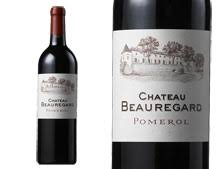 Chateau Beauregard
Pretty plum, raspberry, mint notes, well made.
91
Chateau Le Bon Pasteur
Very classic in style with graphite, cedar and red fruit flavors. Well done.
91
Chateau Gazin
This one might not age forever, but in the short term it has pretty framboise flavors and is very fresh. I like this wine a lot right now, and maybe for the next 7-10 years.
91
_________
Margaux
This was a good year for the Cabernet-focused Right Bank of Bordeaux and a good year for Margaux, arguably the most elegant sub-region of that zone.
 Chateau Prieure-Lichine
A real highlight of the region. Complex mix of black and red fruit flavors, great mid-palate seriousness and a nice long finish. The real deal
94-95
Chateau Cantenac Brown
This wine used to frustrate me to no end, but now I am LOVING it. Beautiful nose with fresh, floral aromas, spicy black and red currant flavors, elegant wine with great length.
94
Chateau Giscours
A great bargain, frankly. Bold and well-constructed with a spicy nose, black fruit, great structure and flow. I just plain like it, and I think it will age for a while. Very well made and a great value. 93
Chateau Marquis de Terme
I liked this one, very modern with good structure, fresh fruit, and might need some time to come around. 92-93
Chateau Dauzac
Sweet Blackberry fruit and a bit of new oak. Nice and fresh, but a bit short on the finish. 92
Chateau Ferriere
This Chateau often surprises. Juicy, fresh berry fruit, an elegant wine, bright and fresh. 91
Chateau Kirwan
A decent effort. Fresh red currant fruit with a bit of cedar. well-made. 90
Chateau Brane Cantenac
Herb aromas, sturdy structure with blackberry fruit and a little bit blocky in terms of structure.
88
Chateau Lascombes
Funky, bretty, not my style
___________________________
St. Julien
The consistency of this region impressed me more than in many other years that I have attended this tasting. And even if the wines aren't cheap, they look to be long-lived and well-made.
 Ch. Leoville Barton
I really dug this one. Incense, cassis, cigar box aromas, good focus and finesse, great balance.
96

Ch. Gruaud Larose
A very sexy wine with lush cassis, blackberry fruit, lots of new oak and good acid. This one will last.
94

Ch. Beychevelle
Been an up-and-comer for a while and has clearly hit its stride. Heavy duty, hearty, solidly-built all around with black and red fruit, a beginning, a middle and an end. well-blended and built to last. This winery is clawing its way up the ladder.
93-94
Ch. Leoville Poyferre
Intense, with deep color, almost new world style. Blackberry, graphite, licorice notes and solid structure.
93-94
Ch. Langoa Barton
Another really good one. Clean, fragrant, spicy with a nice mix of black and red fruit, great acidity. Damn good.
93
Ch. Talbot
Big, mouth-filling and spicy with black and red currant flavors, graphite notes. A serious wine that should age well.
93
Ch. Lagrange
A very nice wine, sturdy with blackcurrant fruit, blocky structure, tar and cherry torte notes. Very young yet.
92-93
Chateau Gloria
I was disappointed. Rather herbaceous, tight and green with a pleasing graphite note. I don't see a lot of future potential.
86
Chateau Saint-Pierre
Bretty and messy. The fruit is lost. Pass.
___________________________
Ste. Estephe
There were relatively few wineries from Ste. Estephe represented, partly because some of them reside in the elite reaches that are not represented in this tasting, but a few very good wines made an appearance.
 Ch. Phelan Segur
Really nice wine with great layers and complexity. Tarragon, cassis, licorice and incense notes, still very young with tons of potential.
94-95

Ch. Cos Labory
Pretty blue fruit on the nose, juicy and fresh and fragrant with black fruit in mid-palate and a spicy finish. Color me impressed!
93
Ch. Lafon-Rochet
Clean and toasty with fresh currant flavors and a nice long finish.
90-91
___________________________
Pauillac
Again, a number of high-tier wineries are not represented but this region showed its class in this vintage.
 Ch. Pichon Baron
This estate does not make the most flashy wines, but they are consistently classy and reward attention. This is a balanced, subtle wine with black and red fruit, coriander spice, graphite and mineral notes and a great, long finish. This is great stuff.. Subtle, nuanced and age-worthy.
96
 Ch. Grand-Puy-Lacoste
Fragrant, floral and very elegant. This is a very pretty, romantic, minerally Pauillac that I appreciate very much. It is almost more like a Margaux in style.
94
______________________
Moulis-en-Medoc

Chateau Poujeaux
I really like this wine from a value zone of the Medoc. Great acid, clean lines and a long finish. Textbook Bordeaux.
91
_____________________
Haut-Medoc
Chateau Cantemerle
Nice, sweet, dark fruit. Not super deep, but a flexible food wine with good structure.
89
Chateau Coufran
Not bad. A bit musky with red fruit, cedar and graphite notes.
87
_____________________
Sauternes and Barsac
Then there comes that point of the show where people have been drinking savory wines for hours and suddenly it is dessert time. Thirty minutes left. Everyone converges on the dessert wine tables of Sauternes and Barsac and a drunken traffic jam of jockeying coalesces. Everyone at the tasting is sliding through shoulders and extending their arms for a slight ounce of precious, sweet, late-harvest wine. It's one of those one of the rare occasions that most of us feel the need to taste these rare dessert wines, but it's also one of the scarce chances that we have to taste them for free.
Nonetheless, it's a clusterfuck, every. single. fucking. time. And that's how you know that all is right in the world, and that everything is exactly as it should be. And then you leave, you take a deep breath and wonder that you have tasted a lot of amazing wines in a few hours and try to figure out what you want to say about it, all while that sappy sweet aftertaste of Sauternes lingers in your mouth.
This was an interesting year for me for this region. I thought there were some surprising favorites and maybe a couple of let-downs in a year that seemed fairly average for these superb dessert wine regions.
 Ch. Coutet
Really impressed by this winery that favors a less sweet, more savory style. I think this vintage played right into Coutet's hands. The wine is marvellously balanced with deep lavender, musk, mango notes and not overly sweet. A really nice effort.
95

Ch. La Tour Blanche
Often this one floors me, often because it has better acid than some of the others. I always look forward to it. I'd rate this vintage as pretty damned good with the wine showing lavish pineapple, mango, white pepper, saline mineral notes and great acidity.
95
Ch. Guiraud
Solid and impressive, delivering the expected, desired style of honeyed, stone fruit and creme bruleee that you would expect.
93
Ch. Suduiraut
As it always is, a little bit less flashy than some of the spotlight names, sweet as all get out, and full of wildflower honey and green tea notes. It is always so good, but sometimes you just wish it had more of some kind of edge or angle or some flash of spirit. But it is always good. Well, you could say the same of Guiraud.
93
Ch. Doisy Daene
Nice wine with pretty, moderately sweet pineapple, candied pear flavors.
92
Ch. Doisy-Verdrines
Good, delicious with rich pineapple, peach, floral and honey notes. Maybe wants a bit of acid.
90
Ch. Lafaurie-Peyraguey
I dig the fresh papaya, melon and honey notes. Largely well-balanced. This one impressed me and might be a good value if this is your jam.